

2026 Autism in Schools Conference - 11th August 2026


Dear guests,
We are delighted to invite you to the Autism in Schools Conference 2026, proudly hosted by the Autism Teaching Institute in collaboration with Western Autistic School.
This year, our conference focuses on collaboration, and educators in Victoria are warmly invited for a day of learning, connection and knowledge sharing. Attendees will hear from international experts, educators, academics, students, and the autistic community about current best practice in schools.
Join us as we work to further our knowledge of inclusive education and create classrooms where all learners thrive.
Autism Teaching Institute and Western Autistic School
Agenda
-
Registration Opens
-
Conference Opening
-
Keynote Presentation - Andrew Radford
Session details
Andrew is a proud man with an Intellectual Disability and is an advocate for people with disability. He has presented at Autism Asia Pacific Conference APAC in Singapore in 2019 and has presented at the annual VALID Having a Say Conference in Geelong. Andrew will be sharing his insights and advice for educators on improving the experience of school for autistic students.
-
Keynote Presentation - Dr Stephen Shore
Session details
Dr. Stephen Shore is an autistic professor of special education at Adelphi University. He has written books that include: College for Students with Disabilities, Understanding Autism for Dummies, Ask and Tell, and Beyond the Wall. Stephen will be sharing his professional and personal experience, and talking on the 4 A's of autism.
-
Morning Tea
-
Friendship Symposium
Session details
Join Dr Matt Harrison and Jess Rowlings from the University of Melbourne, along with Audrey Amalfi from Delacombe Primary School, and a student panel to hear a range of perspectives on how to support student connection and friendship at school.
Self-Advocacy Symposium
Session details
How can we empower autistic students to play an active role in their own learning? At this symposium, Dr Stephen Shore, an autistic professor of special education at Adelphi University, will share insights on supporting autistic students' self-advocacy, accompanied by Matthew McLaren and a parent from Dromana College, exploring how secondary schools and parents can work as allies to create the conditions for students to develop their agency.
Inclusive Education Symposium
Session details
What does current research and the autistic community tell us about best practice in Australian schools? Dr Dawn Adams will share information about the development of the Draft National Guidelines for Best Practice in Inclusive Education for Autistic Students, alongside Deborah Moloney from Furlong Park School for Deaf Children, who will present a school-based case-study.
Collaborating with Families Symposium
Session details
This symposium explores how case conferencing brings teams together to improve wellbeing, social connection, and learning outcomes for autistic learners. Join Claire Kirk and Sarah Turner from Western Autistic School to learn a model for case-conferencing in schools. Following this, attendees will hear directly from parents as they share their firsthand stories of navigating the school system. They will discuss practical ways to build trust, overcome barriers, and foster genuinely respectful partnerships.
-
Lunch
-
Supporting Regulation in the Classroom
Session details
Join Dr David Moseley (Clinical Psychologist) and Dr Chloe Emonson (Research Fellow) from Monash University, as they explore why some children struggle with regulation in the classroom and what we can do to help. This session will present a variety of practical frameworks, tools, evidence-based programs, and the AllPlay online resources designed to support children's participation in school settings.
Understanding and Supporting Autistic Student's Sensory Experiences at School
Session details
Many autistic learners have routine, everyday, and often very distressing neurodivergent sensory experiences, impacting participation, mental health, and wellbeing. As autistic and neurodivergent sensory experiences are fundamentally internal, happening within the mind of the person having them, they are frequently overlooked or dismissed. Even serious efforts to understand neurodivergent sensory experiences have sometimes been based on assumptions that we now know to be mistaken. Patrick will present up-to-date research and correct some of these myths and misunderstandings. We will also discuss some of the key factors that can promote better sensory experiences, and the importance and challenge of individual agency and control in busy, shared sensory environments.
Building Positive Relationships with Diverse Learner Families
Session details
This presentation explores some of the unique challenges families of diverse learners face when building relationships with schools. For example, navigating complex communication systems, differences in communication style, and varying experiences and levels of trust in education providers. It will discuss key barriers and emerging opportunities for collaboration, highlighting how schools and families can work together to better support students.
Pathways to Possibility - Inclusive Transitions
Session details
Join Anne Southall and colleagues to hear about their recent research investigating current practice preparing young people in specialist schools for life beyond the classroom. The study brought together international research as well as the voices of students, families, educators and school leaders to reveal not only what is working, but what is possible. In this practical workshop you'll hear insights from the research, and have opportunity to reflect on how these might be applied to transition planning in your own setting.
-
Afternoon Tea
-
Keynote Presentation - Katie Gaudion
Session details
Katie will share how co-designing with neurodivergent individuals has shaped supportive, sensory-friendly environments across homes, healthcare, and public spaces. Specifically, she will highlight her "Design for Mind - Sensory Cards," a practical visual tool that captures the sensory experiences of autistic adults and children to demonstrate the power of embedding lived experience early in the design process.
-
Conference Close
Speakers
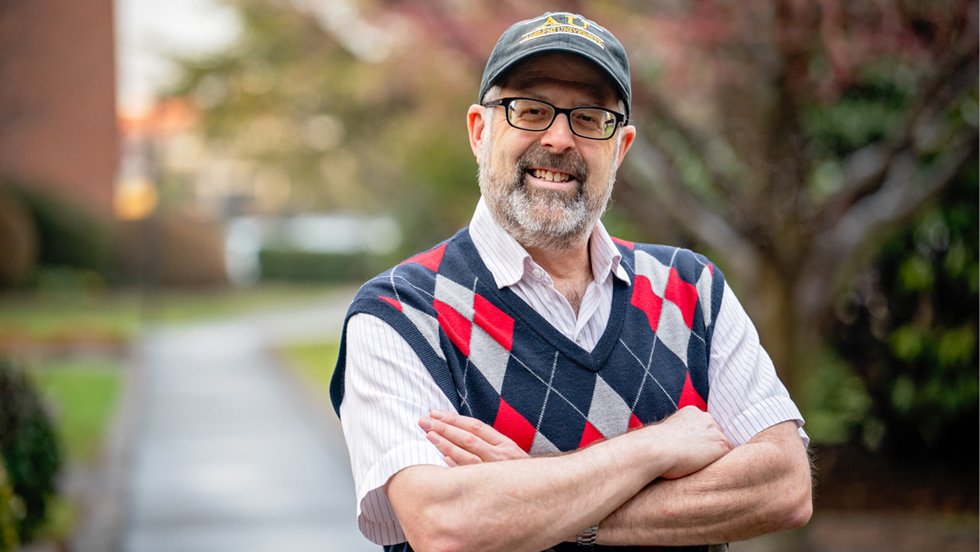
Dr Stephen Shore
Dr. Stephen Shore is an autistic professor of special education at Adelphi University. He has written books that include: College for Students with Disabilities, Understanding Autism for Dummies, Ask and Tell, and Beyond the Wall. Currently, he serves on the board of Autism Speaks, and is one of the first two autistic board members in its history, looking to improve the potential of those on the autism spectrum. He once headed the Asperger's Association of New England and was on the board of the Autism Society of America.
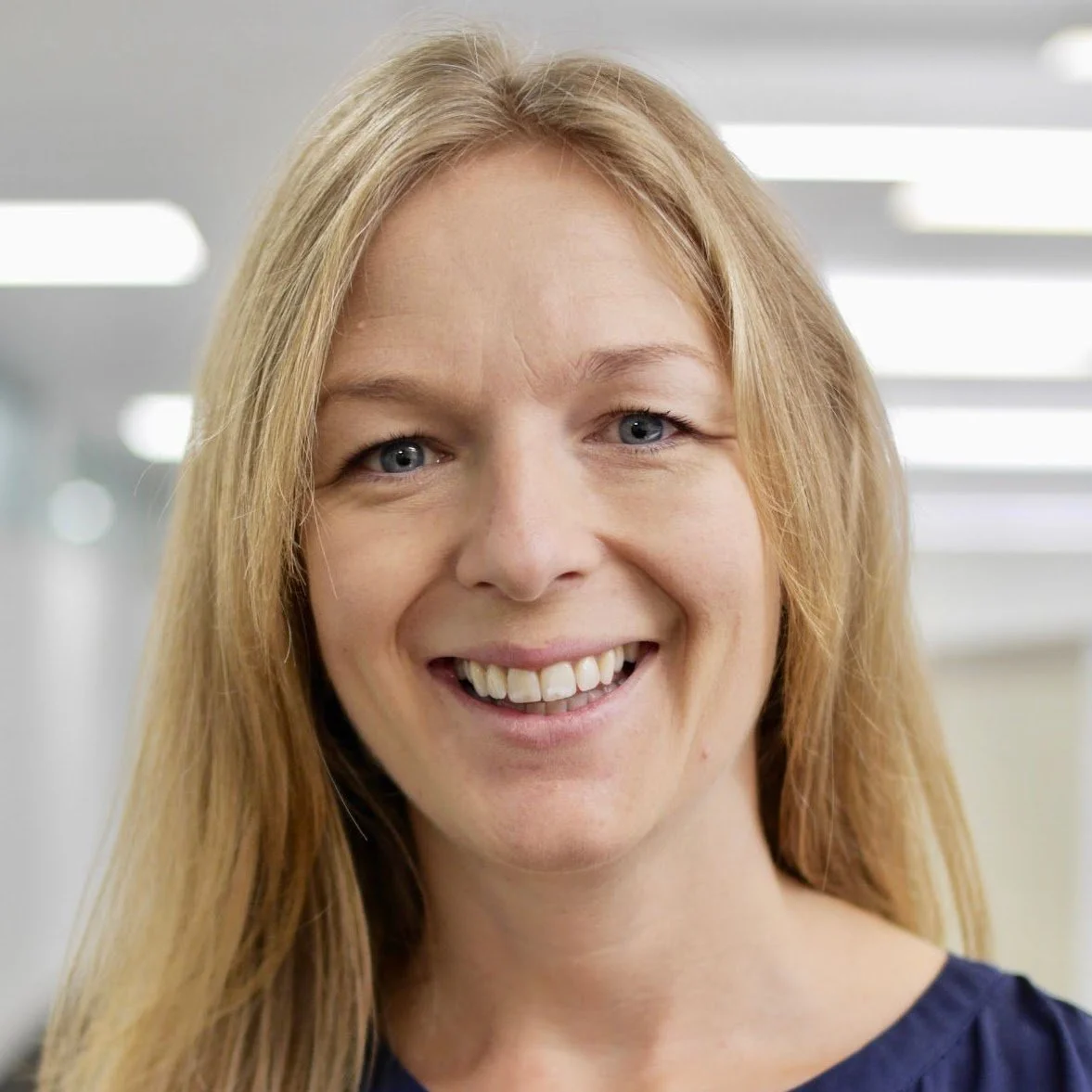
Dr Dawn Adams
Professor Dawn Adams (she/her) is the Endowed Chair at the Olga Tennison Autism Research Centre (OTARC) at La Trobe University. She is also neurodivergent and a clinical psychologist. Dawn has collaborated with the community on research that focuses on improving the mental health, wellbeing, and quality of life of autistic people across the lifespan. She has published over 100 research articles and been awarded AUD$15 million in research funding
Dawn’s work is grounded in participatory and neurodiversity-affirming research practices that centre autistic perspectives and lived experience. She frequently collaborates with autistic researchers and community partners to ensure research priorities and outcomes reflect what matters most to autistic people and their families. Key example is the MRFF-funded Bloom project, a co-produced parent support program designed to improve wellbeing and quality of life for young autistic children and their families, and the recent co-development of National Guidance for Best Practice Inclusive Education for Autistic Students.
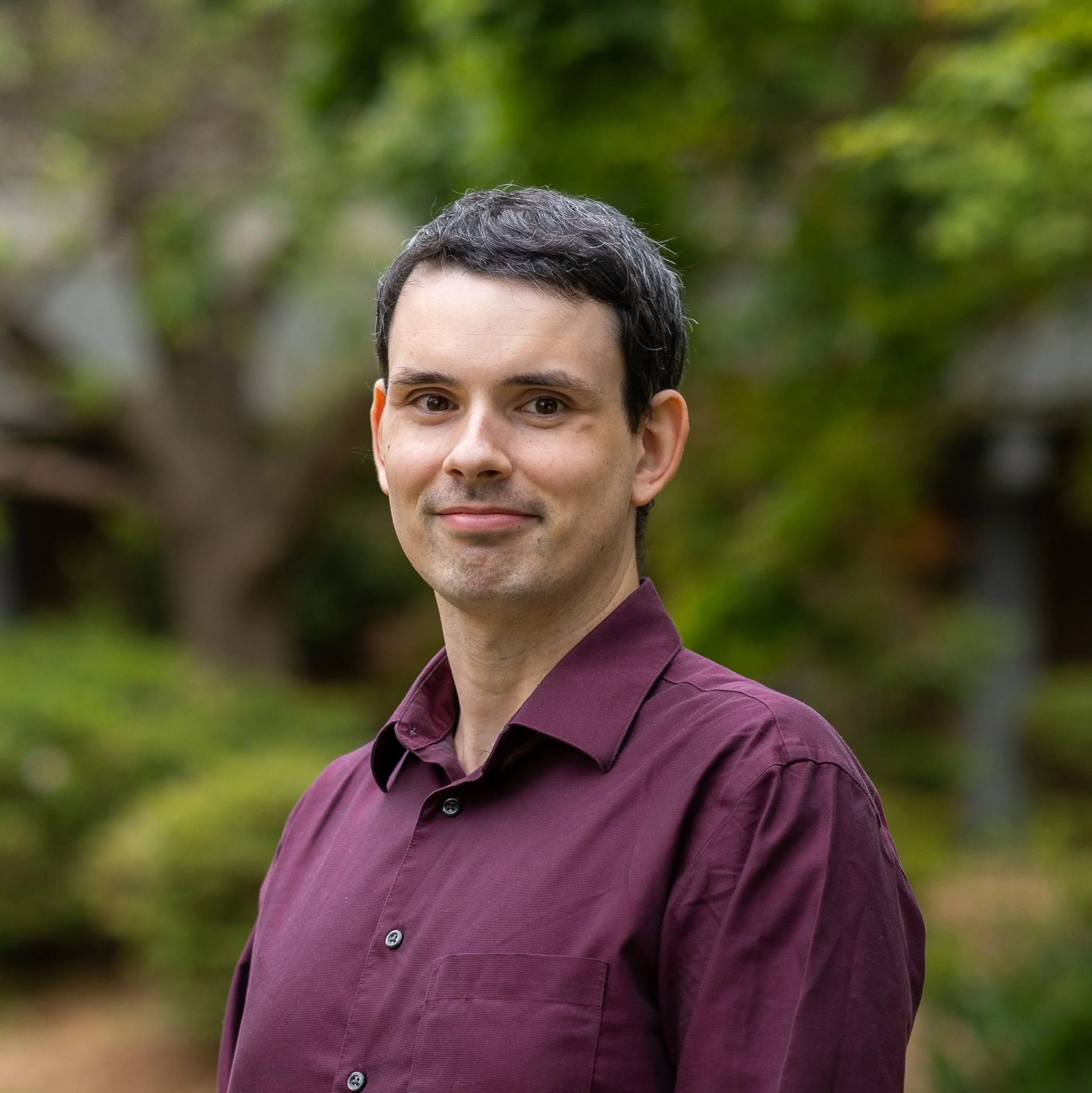
Dr Patrick Dwyer
Dr. Patrick Dwyer is a Canadian autistic autism researcher working as a research fellow at the Olga Tennison Autism Research Centre, La Trobe University. Patrick is particularly interested in how neurodivergent people experience the world around them, including through attention and sensory processing. Patrick also studies the neurodiversity movement, the acceptability of autism supports and interventions, and the inclusiveness of higher education for neurodivergent people.
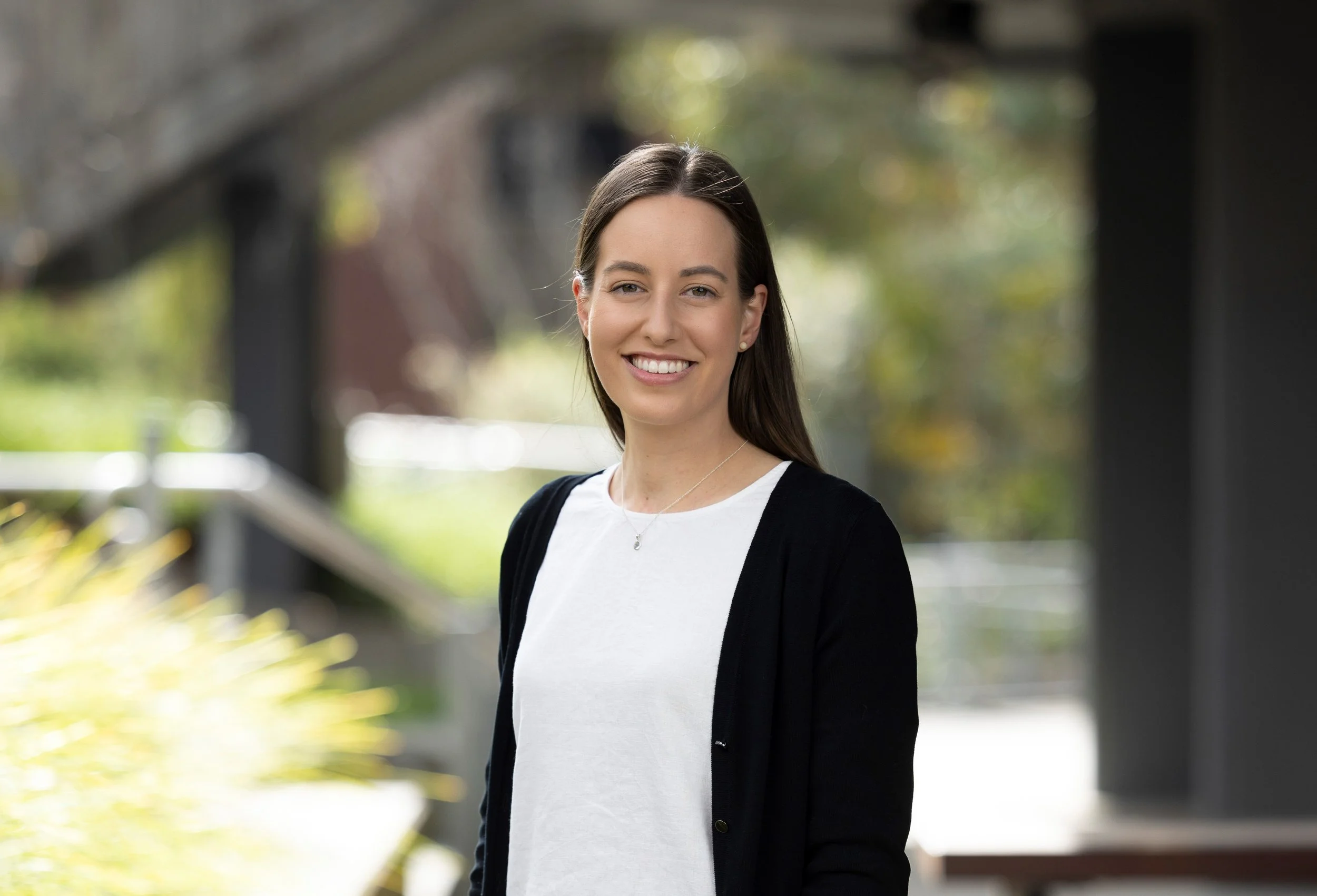
Dr Chloe Emmonson
Dr Chloe Emonson is a research fellow in the School of Psychological Sciences, Faculty of Medicine, Nursing and Health Sciences, Monash University. Dr Emonson manages the AllPlay programs, which translate research into evidence- and strengths-based resources for families, educators, clinicians, sport coaches and dance teachers, to promote inclusion and access into education, sports and arts for children with neurodevelopmental disorders and other disabilities. She has a strong interest in collaborative and community-focused research that supports meaningful participation and positive outcomes for young people with disability and their family. Dr Emonson has a particular interest in understanding how movement can support wide-ranging outcomes for children, including regulation.
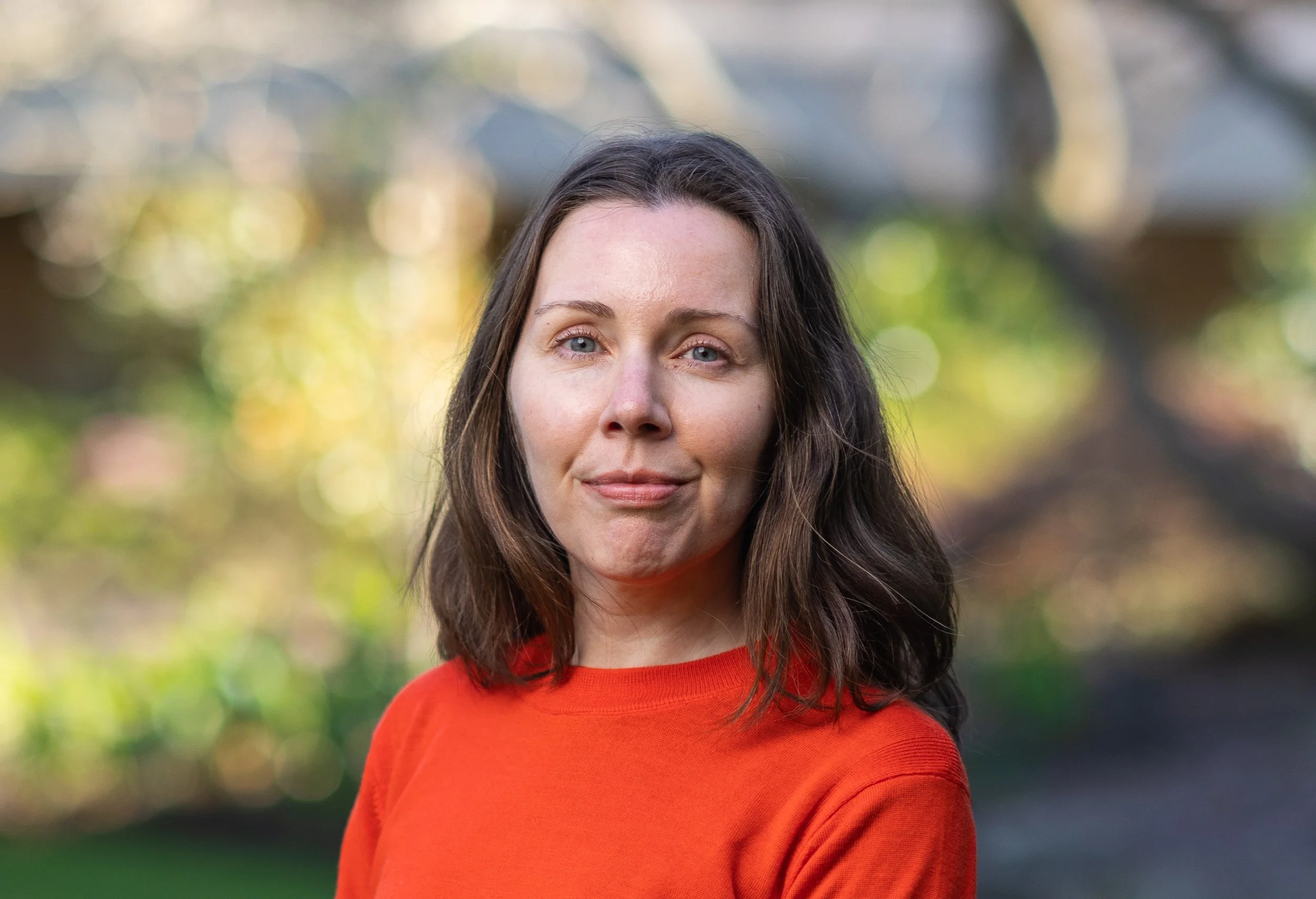
Dr Ana Garcia-Melgar
Dr Ana Garcia-Melgar is a lecturer in Inclusive Education in the School of Education at La Trobe University. She is currently coordinating and teaching subjects within the Inclusive Education specialisation of the Bachelor of Education (Primary and Secondary). Her research interests are in the areas of inclusive education, reasonable adjustments, Universal Design for Learning (UDL) and multi-tiered supports, and neuro-affirming practices. She has collaborated with La Trobe University’s Living with Disability Research Centre and Rural Health department on several projects aimed at improving the accessibility and responsiveness of mainstream services for people with disabilities.
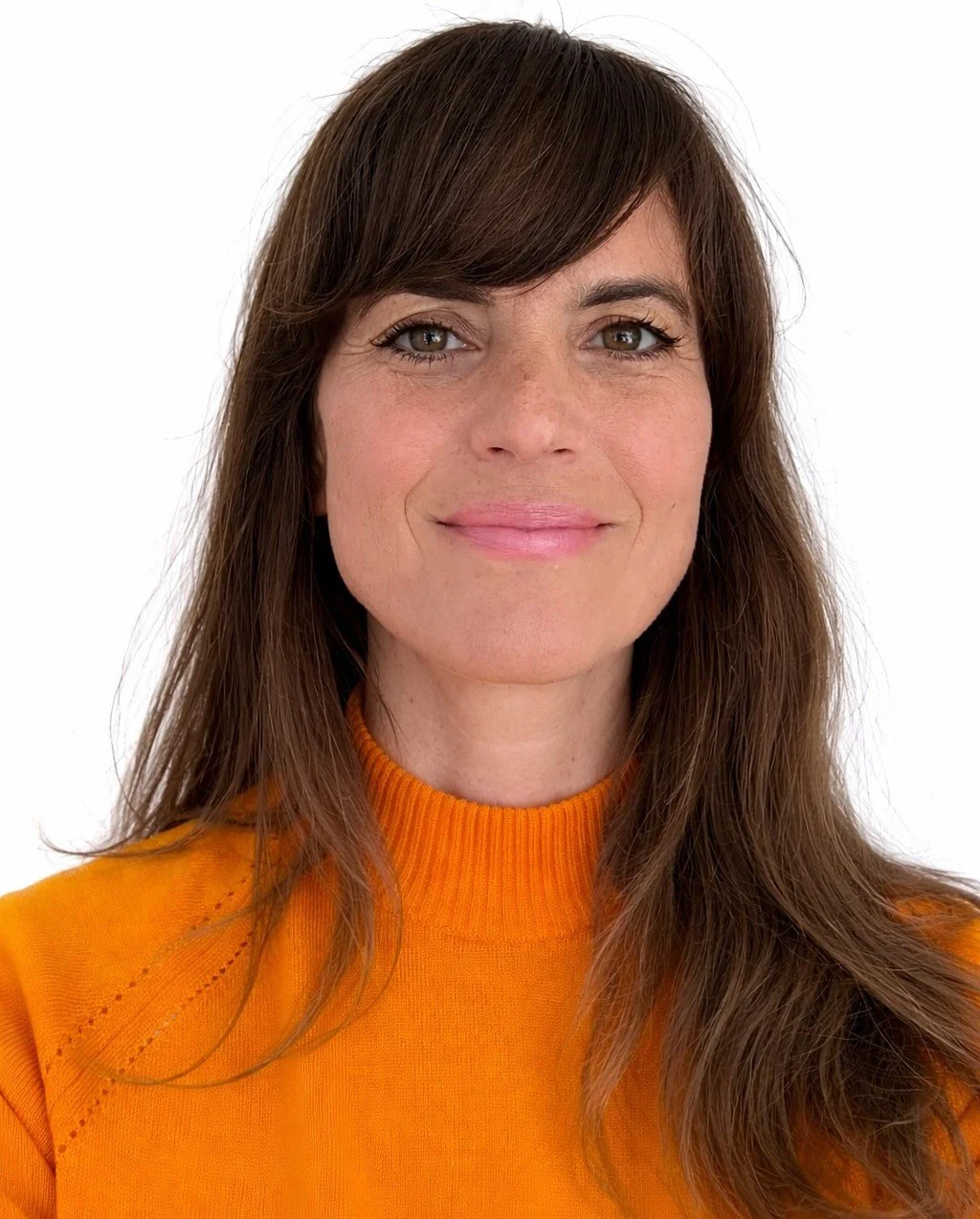
Dr Katie Gaudion
Katie is a Design Consultant and Senior Research Associate at the Helen Hamlyn Centre for Design, Royal College of Art in London. For over a decade, she has collaborated with autistic individuals to design inclusive environments, ranging from supported living and mental health facilities to educational and multisensory spaces, as well as public infrastructure like airports, libraries, and street design. Katie’s practice centres on the meaningful involvement of people with lived experience to better understand the sensory and emotional qualities of space. As a neurodivergent practitioner herself, she is dedicated to creating a future where design is inclusive and responsive to the diverse sensory needs of all.
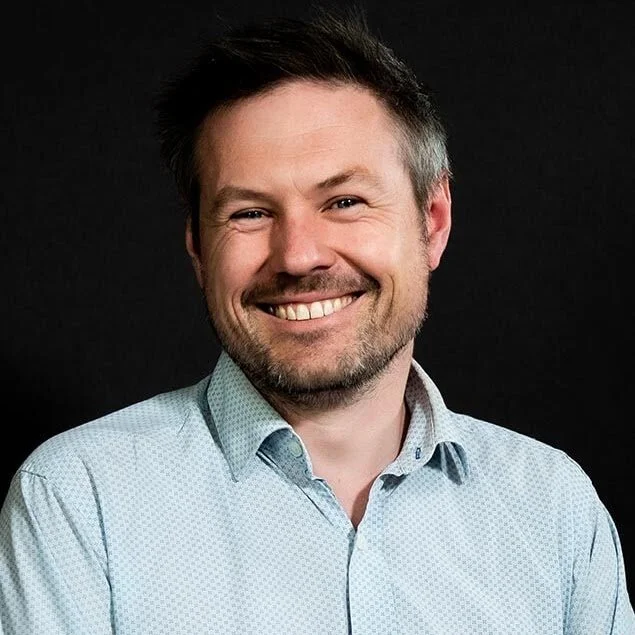
Dr Matthew Harrision
Dr. Matthew Harrison is an experienced teacher, researcher and digital creator with a passion for utilising technology to enhance social capacity building, belonging and inclusion in education. He has taught in Australia, South Korea and the United Kingdom at primary, secondary and tertiary levels. Matthew is currently a member of the University of Melbourne Faculty of Education Learning Intervention team and a project lead at the University of Melbourne Neurodiversity Project. He was awarded the Dyason Fellowship in 2020, and the GEM Scott Teaching Fellowship and the International Society for Technology in Education 'Making IT Happen' award in 2023.
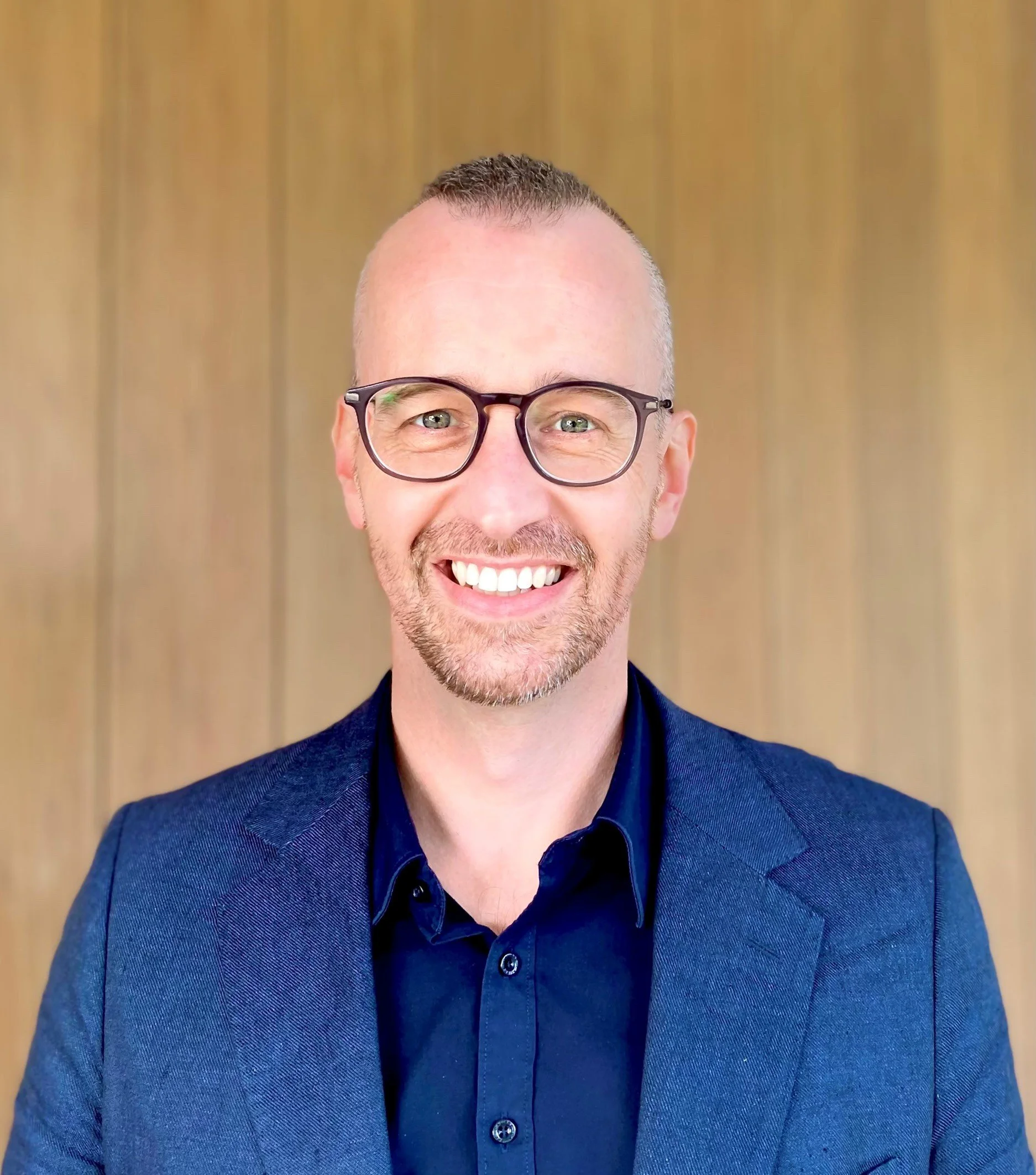
Dr David Moseley
Dr David Moseley is Associate Professor of Clinical Psychology Practice in the School of Psychological Sciences, Faculty of Medicine Nursing and Health Sciences, Monash University. David was previously the Psychology Discipline Senior at the Early in Life Mental Health Service at Monash Health, leading a large department of child and youth psychologists. David’s work spans health, mental health, disability, and education. His clinical and research themes include neurodevelopmental disorders, child development, parent-child attachment, and infant mental health. David continues to practice clinically and is a strong advocate for flexible, co-designed, and evidence-based interventions, putting practical developmental psychology tools in the hands of children and families, clinicians, and educators.
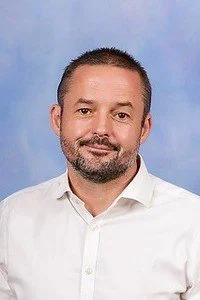
Matthew Mclaren
Matthew McLaren is an Assistant Principal at Dromana College, where he leads whole school strategy, planning, and improvement. He is a proud parent to two autistic children and a late-diagnosed autistic person and is currently undertaking a Graduate Diploma with the Autism Teaching Institute. Drawing on perspectives from education, psychology, policy, and school leadership, Matthew has a special interest in developing approaches to democratise the systems language families need to navigate, because parents know their children best and should not need to become experts in formal systems for that knowledge to be heard.
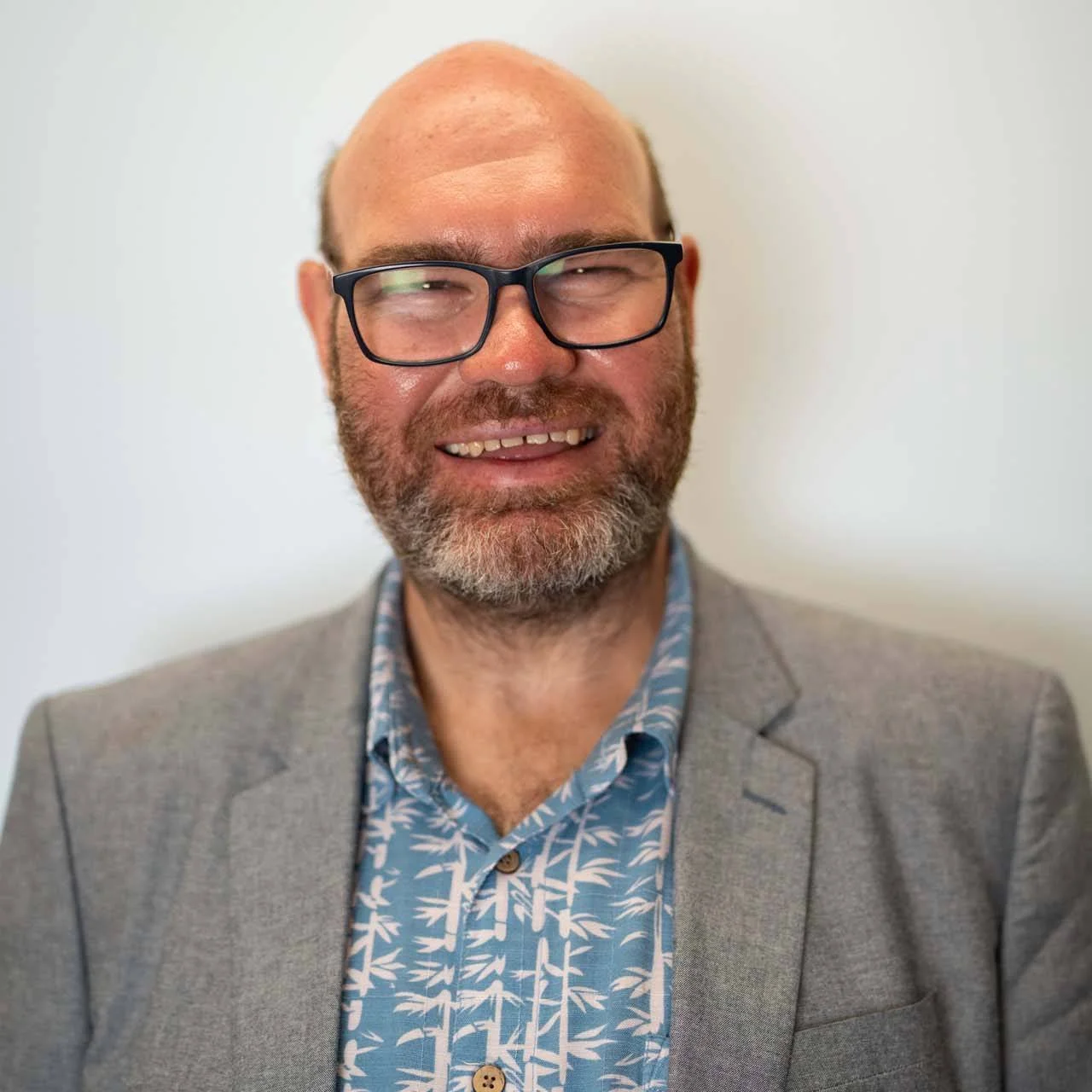
Andrew Radford
Andrew is a proud man with an Intellectual Disability and is an advocate for people with disability. He has presented at Autism Asia Pacific Conference APAC in Singapore in 2019 and has presented at the annual VALID Having a Say Conference in Geelong.
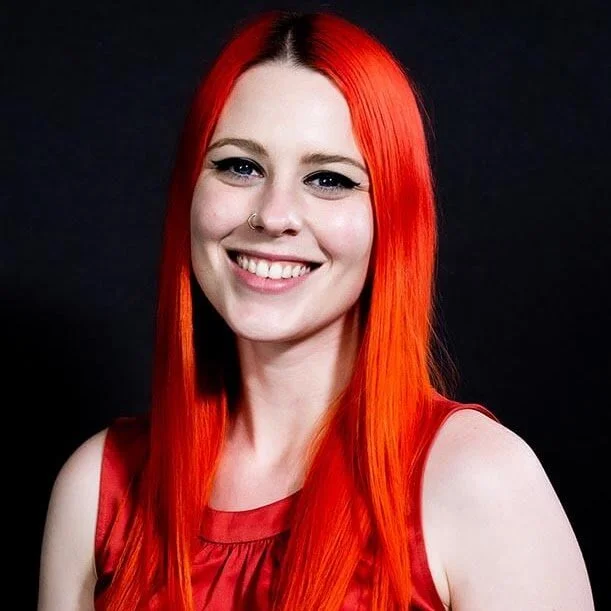
Jess Rowlings
Jess Rowlings is a qualified speech and language pathologist and co-founder/CEO of Next Level Collaboration, a social enterprise that runs strength-based programs to support neurodivergent children in developing collaborative skills and social connection through cooperative video games. Jess is also a researcher at the Faculty of Education (University of Melbourne) and specialises in the design and analysis of video game-based intervention to build social capacity in neurodivergent children. She is passionate about the use of digital games-based learning to promote inclusion and a sense of belonging, and her work has included developing and running a dedicated Minecraft server to support neurodivergent girls and women. Informed by her lived experience of receiving autism and ADHD diagnoses as an adult as well as her lifelong love of games, Jess has also commenced her PhD investigating the experiences of neurodivergent women in gaming communities.

Hannah Moylan
Hannah Moylan is a Senior Policy and Project Officer within the Diverse Learners Hub. Hannah has 15 years’ experience in policy and project delivery in the Department of Education across health and wellbeing, mental health and inclusive education portfolios. Hannah brings a parent lived-experience perspective to this work and also volunteers as a peer support worker for families of diverse learners in Melbourne’s northern suburbs.
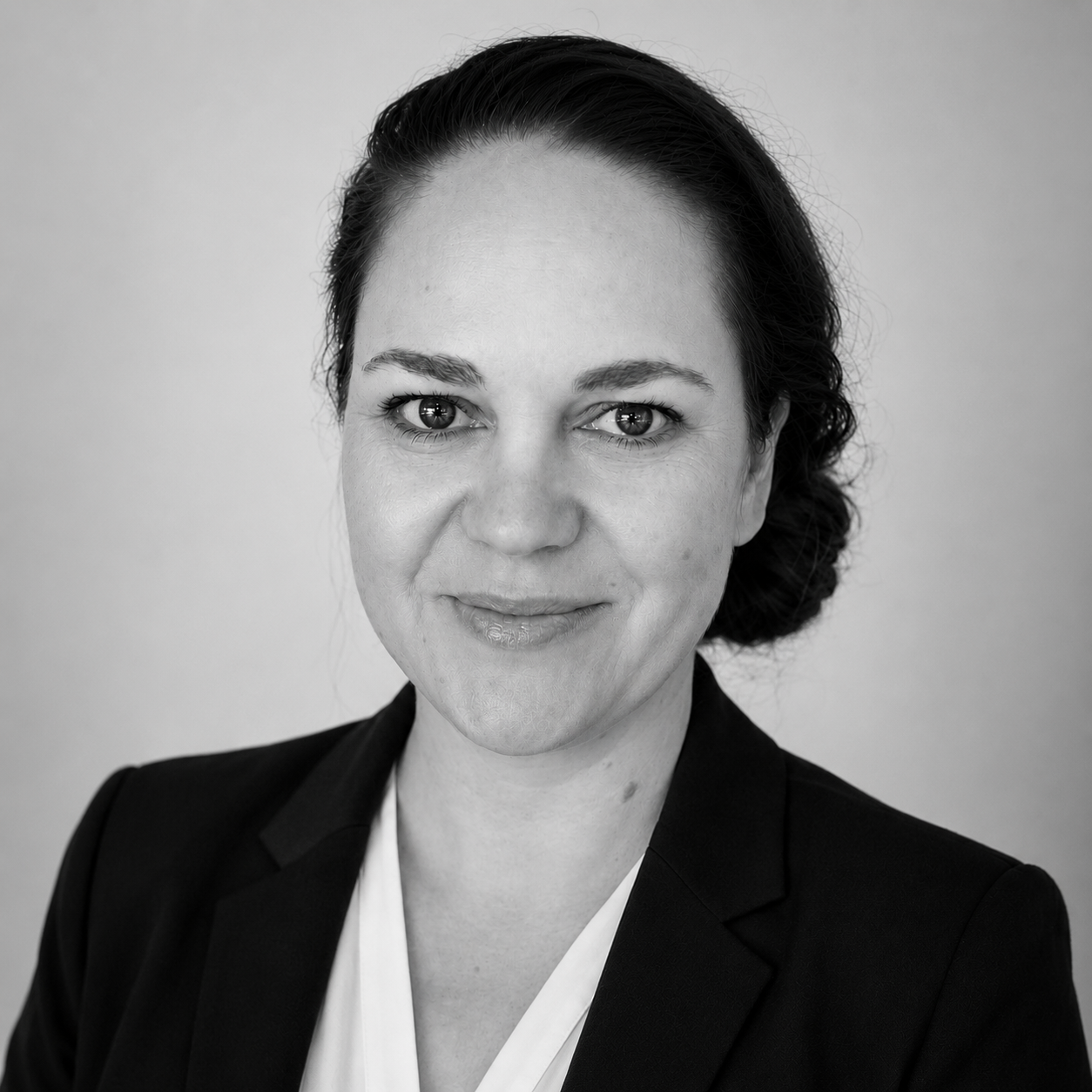
Alexandra Beckwith
Alexandra brings a lived experience and a parent perspective to conversations about neurodiversity, family systems, and inclusion. Her perspective has been shaped by supporting her children through school and navigating health, education, and disability systems alongside them. She is interested in the everyday realities families encounter when trying to understand information, communicate with professionals, and access supports for their child.
Her background in social anthropology and history has informed her interest in how people experience systems differently, and in the importance of listening across perspectives. Alexandra is interested in helping families turn complex information into clearer next steps, while strengthening understanding between families, educators, and professionals.
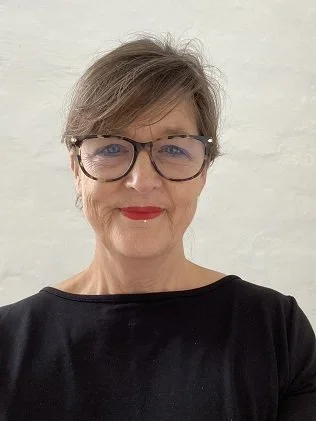
Dr Anne Southall
Dr Anne Southall is a Senior Lecturer in the School of Education at La Trobe University with over 30 years of experience across mainstream and specialist education settings in Australia and the UK. Her research and teaching focus on trauma-informed and inclusive education, educator wellbeing, and reflective practice, with a particular interest in building relational and system-level approaches to inclusion. Anne works collaboratively with schools and communities to support sustainable change in education.
Venue
Melbourne Convention & Exhibition Centre
1 Convention Centre Place, South Wharf, Level 1